Foundation.
Practice.
Purpose.
Taleni is an independent coaching practice based in Vienna's 8th district. The studio operates around a single organising principle: that structured, evidence-informed training, applied with consistency, produces outcomes that incidental effort does not.
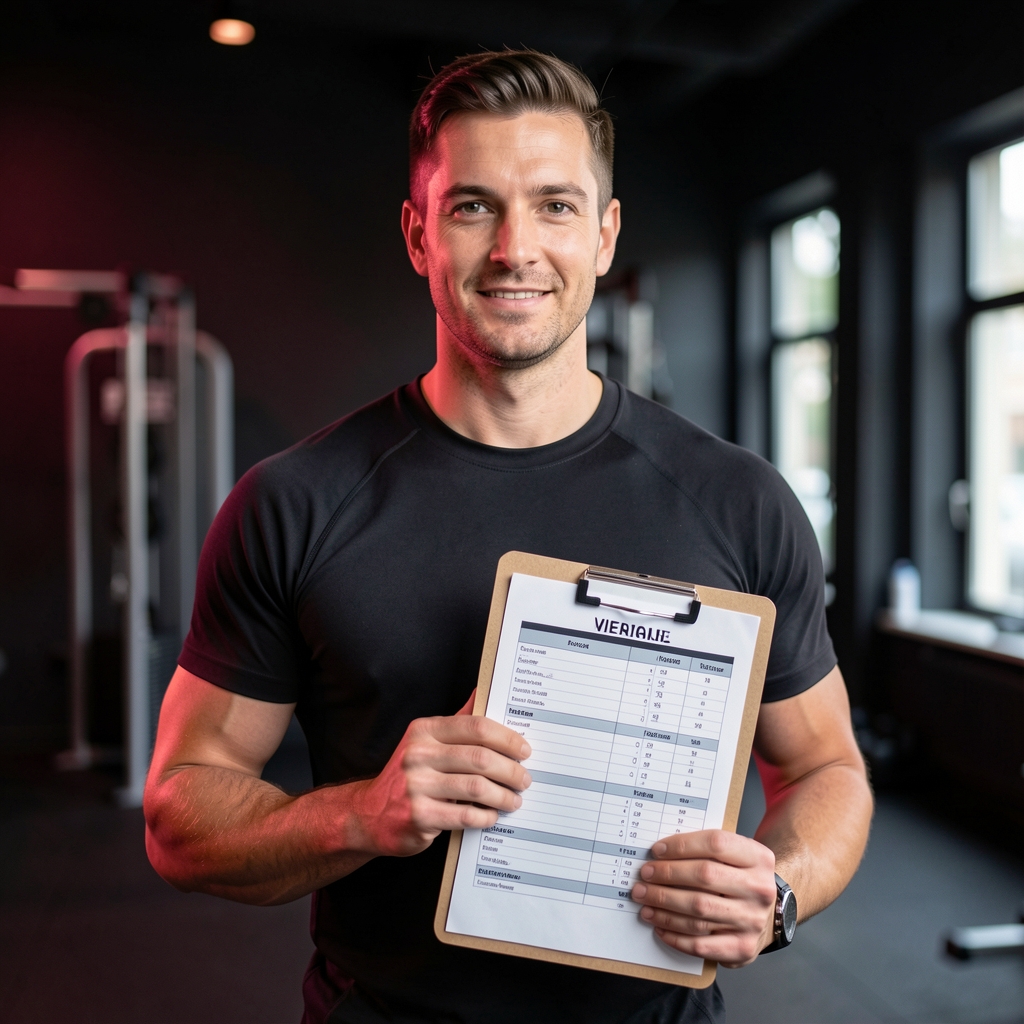
How the practice began
Taleni grew out of a question that training literature rarely asks with enough precision: at what point does physical effort become purposeful work? The distinction is not simply one of intensity. It is a matter of structure—of whether the session has a defined objective, whether the loading is calibrated to a phase of adaptation, and whether the outcome is measured against a standard that existed before the session began.
The practice was established in Vienna in 2017 following several years of coaching in varied settings: commercial gyms, sport-specific conditioning programmes, and corporate wellness facilities. What those years made clear was that the method mattered more than the context. Clients who trained against a written plan, reviewed at structured intervals, consistently outperformed those whose sessions were assembled in the moment.
The studio at Florianigasse 28 was designed as a dedicated space for this kind of intentional work. Small in footprint, specific in purpose. No general public membership. No open-access floor. Each hour of its use is associated with a client, a programme block, and a documented objective.
The principles the practice is built on
Assessment before programming
No programme is written before a movement screen is completed. The screen is not a formality; it is the primary data set from which all subsequent loading, sequencing, and mobility work is derived. Generic starting assumptions produce generic outcomes.
Logged sessions, not remembered ones
Every session is documented in real time. Volume, loading, movement quality notes, and deviation from plan are all recorded. This log is the property of the coaching relationship and informs every subsequent programme revision. Memory is not a reliable tool for tracking adaptation.
Training in planned cycles
Work is organised in blocks with defined objectives: hypertrophy, strength, power, endurance, or recovery. Each block has a measurable end state and feeds information into the design of the next. Loading without periodisation accumulates fatigue without directing it productively.
Grounded in published research
Programme design draws on established sport science literature and ongoing continuing professional development. The practice does not adopt trending formats unless their underlying rationale can be explained with reference to movement mechanics and physiology.
Training as part of a wider context
Sleep quality, daily activity patterns, nutrition habits, and occupational demands are all discussed at intake and revisited at block reviews. A programme that ignores the other twenty-three hours of a client's day is working with incomplete information.
Shared understanding of the process
Clients receive copies of their programme documents, session recaps, and block-end review notes. The reasoning behind each exercise selection and loading target is explained rather than assumed. Coached movement is more durable than followed instruction.
The studio
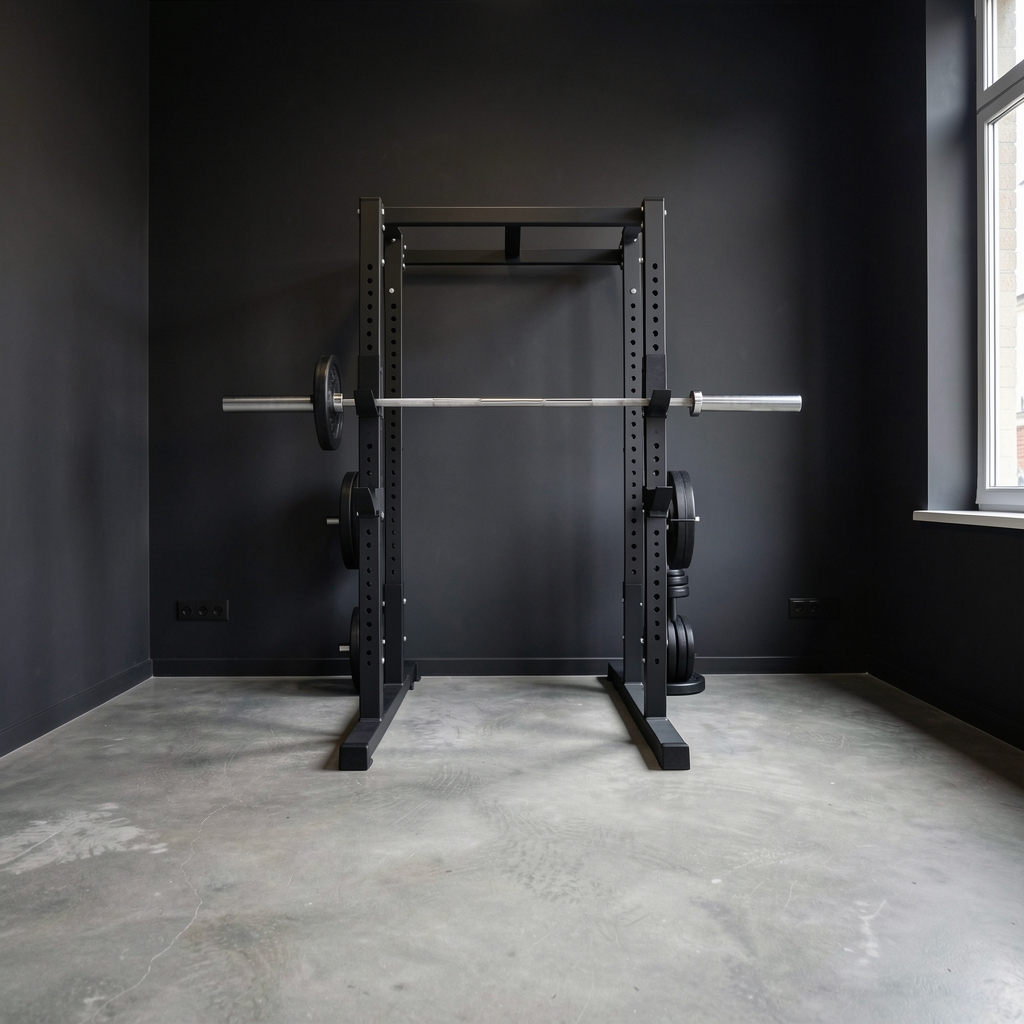

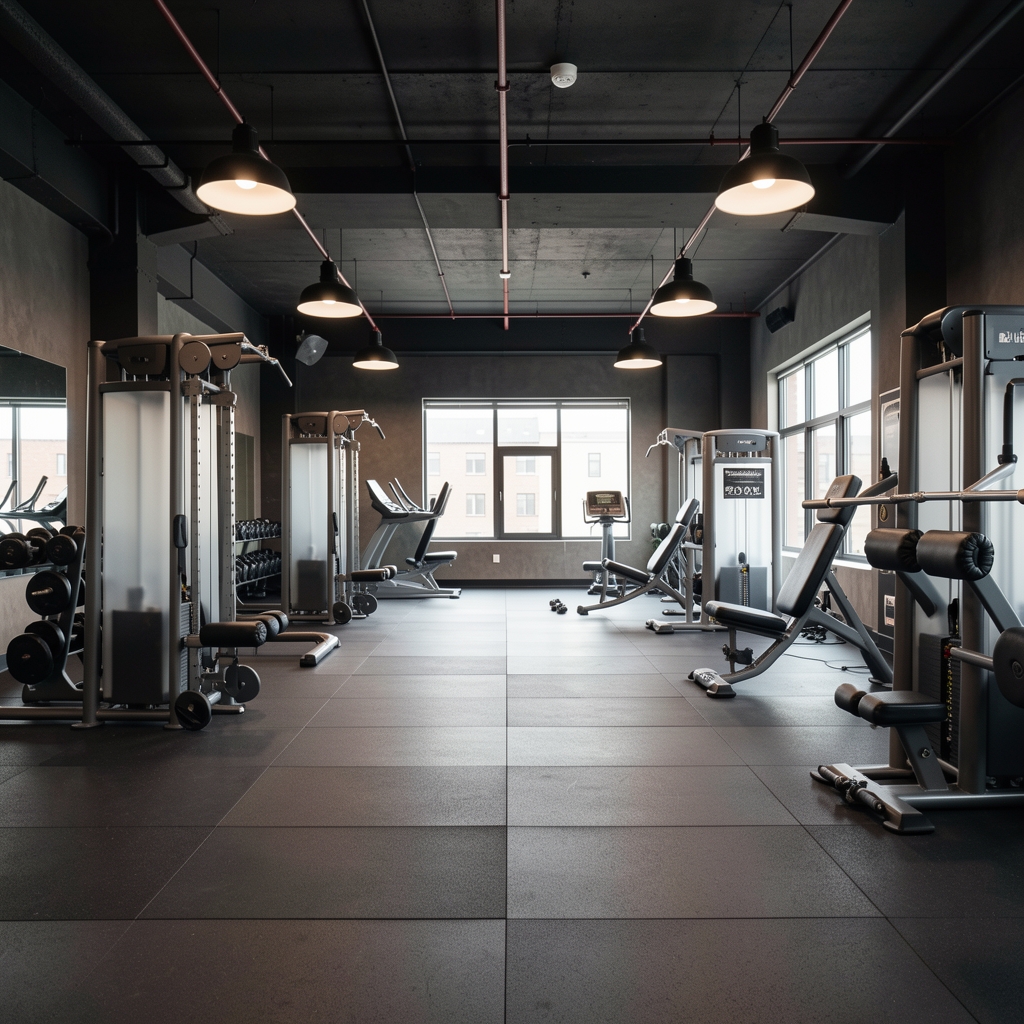
Florianigasse 28, 1080 Vienna — private studio, by appointment only.
Book Your First Visit →“I had trained for years without a clear record of what I had actually accomplished. The block-review process here gave me the first accurate picture of my own progress I had ever seen.”